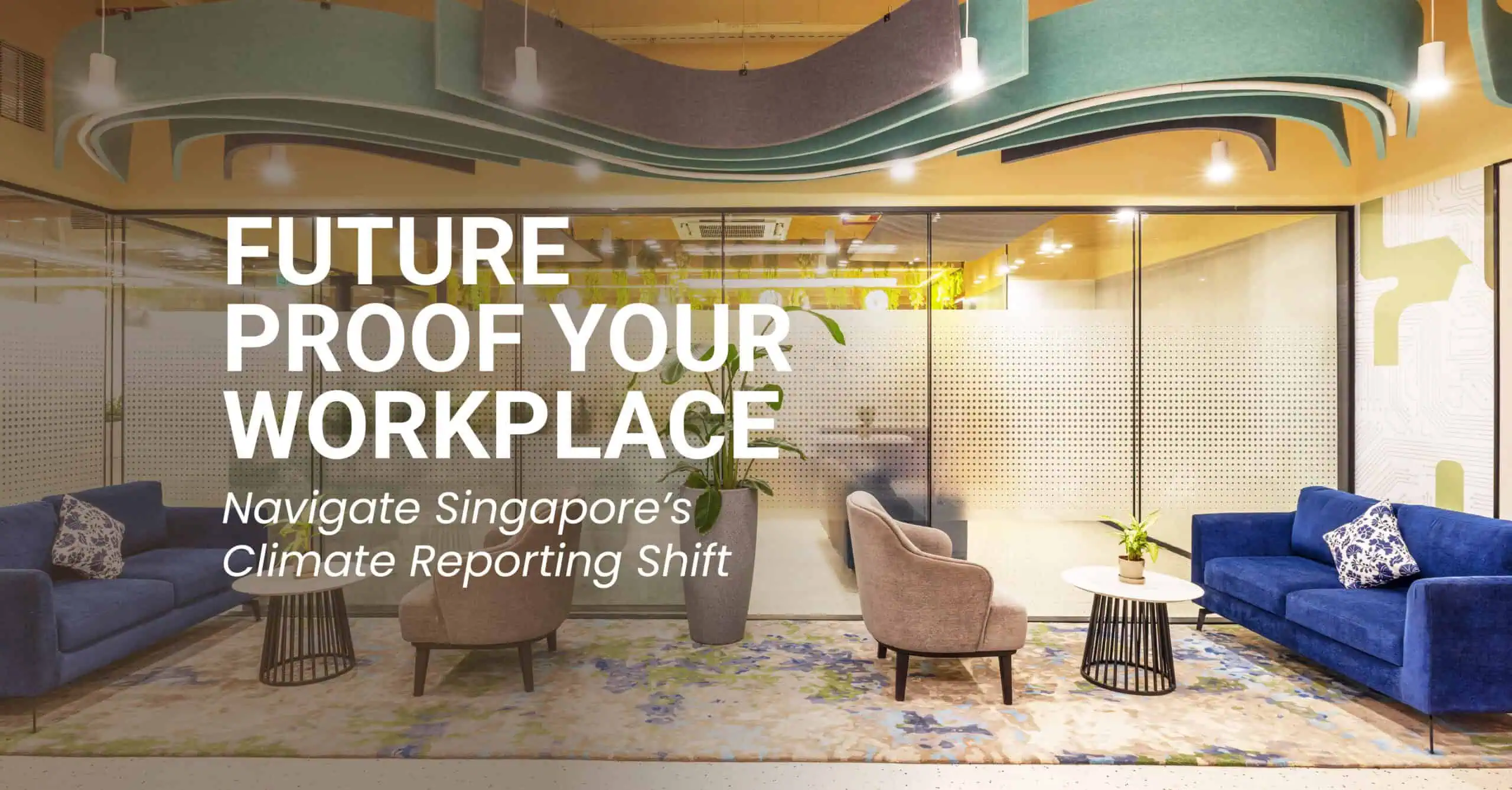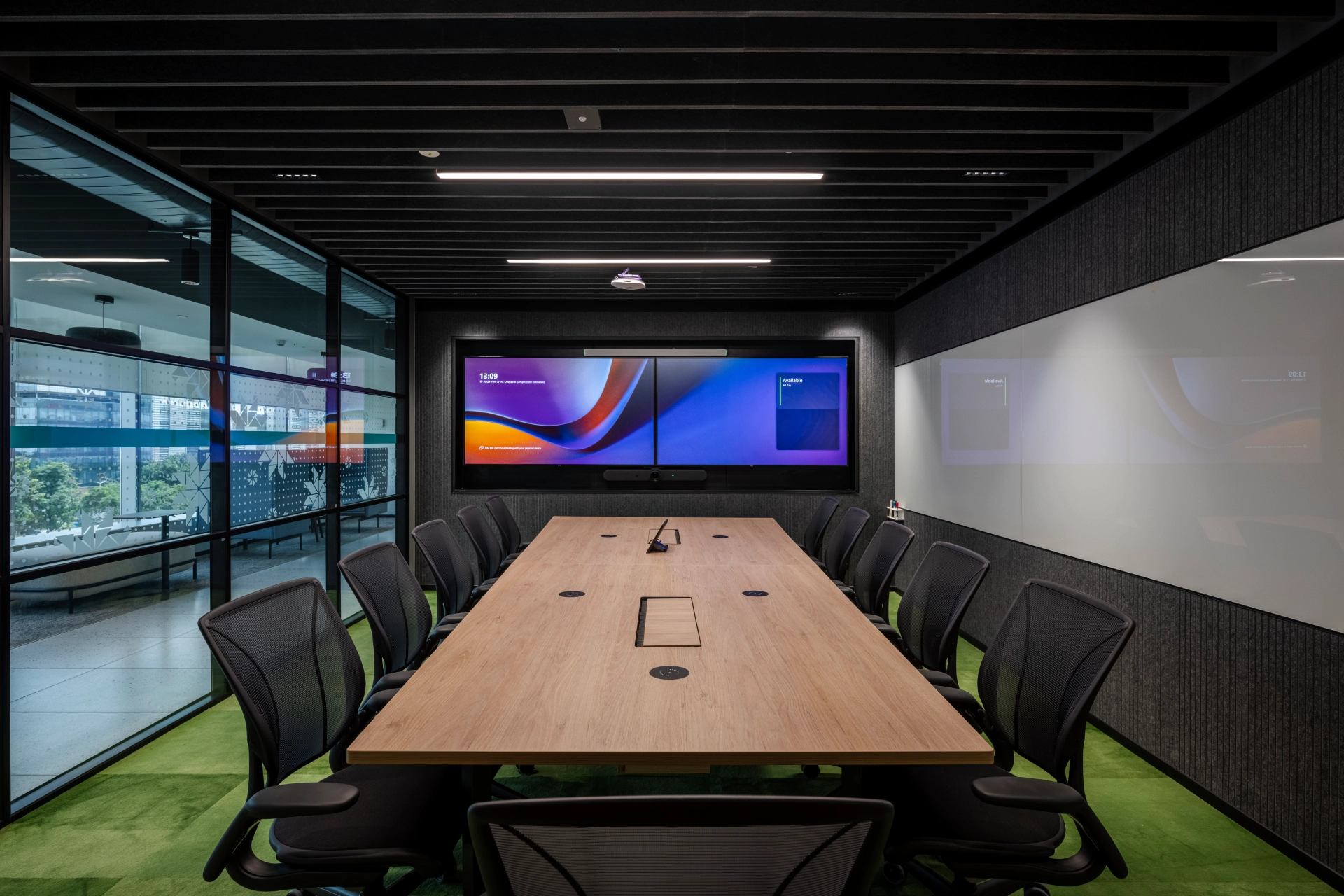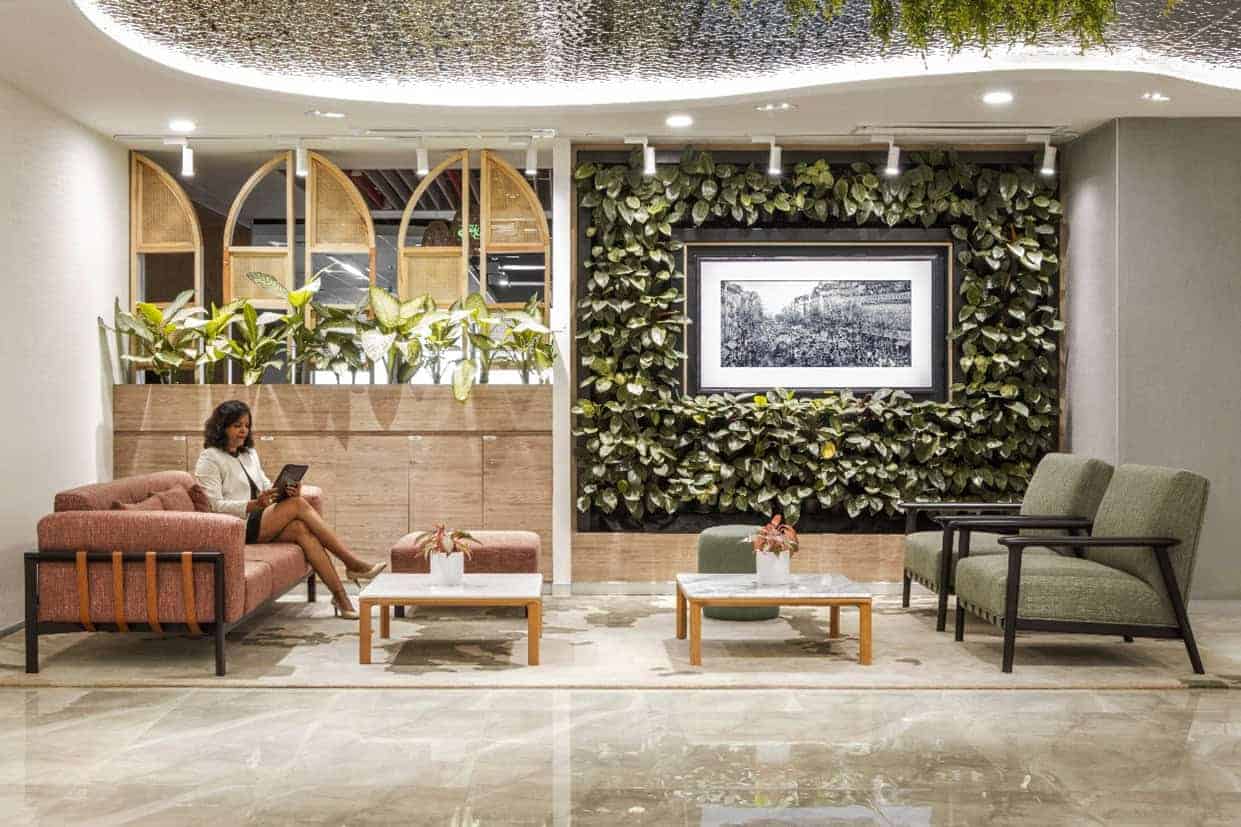
The global landscape of workplace design is in constant flux, shaped by cultural nuances and a desire for environments that foster both productivity and well-being. Within this dynamic realm, a compelling aesthetic fusion has emerged, capturing the attention of design innovators and business leaders alike: Japandi. This elegant synthesis of Japanese and Scandinavian design principles, long admired in product design, is now making significant inroads into commercial real estate, especially in Southeast Asia, promising a new era of sophisticated and functional workspaces.
Parallel Influences in Workplace Design
Japanese and Scandinavian aesthetics, though born continents apart, share a quiet devotion to simplicity, functionality, and natural harmony. Japanese design, rooted in Zen philosophy, favors restrained elegance, craftsmanship, and spatial mindfulness. While Scandinavian design, forged in the long winters and democratic ethos of the Nordic region, takes a human-centric approach to functionality. It balances minimalism with comfort—celebrating clean lines, warmth through textiles, and the consistent use of natural light.
In office design, Japanese aesthetics translates into spaces that encourage focus, stillness, and thoughtful interaction with surroundings.
Scandinavian aesthetics encourages wellness, openness, and collaboration without sacrificing a sense of calm.
Japandi interior design, the confluence of these two philosophies, marries restraint with a functional yet elegant, minimal yet emotionally resonant design language. Today, it is extending its influence beyond furniture catalogs and boutique homes into workplace interiors.
Why Japandi is Growing in Asia?
In Southeast Asia, where design has historically drawn from both global and regional sensibilities, Japandi is emerging as a compelling response to evolving office culture. Let’s understand this from the perspectives of Singapore and India.
Taiwan
Taiwan is emerging as one of Asia’s most compelling workplace design markets, and one of the most naturally aligned with Japandi’s core principles. Taiwan’s historical relationship with Japanese design and craft traditions runs deep. The preference for restraint, material honesty, and functional beauty that defines Japandi is not a foreign concept for Taiwanese occupiers,it maps onto pre-existing aesthetic sensibilities that have shaped architecture, product design, and interior culture here for generations. Japandi doesn’t need translation in Taiwan. It arrives already fluent.
The Technology Sector as a Design Driver
Taiwan’s dominance in the global semiconductor and technology supply chain has produced a cohort of workplace occupiers with sophisticated global design references and the resources to act on them. As Taiwanese technology firms mature from pure engineering environments into talent-competitive employers, workplace design is becoming a strategic priority. Japandi’s combination of cognitive calm, biophilic grounding, and material authenticity is resonating directly with this shift — creating environments that support the deep focus work technology requires while signaling a cultural intelligence that attracts and retains world-class talent.
Workplace design in Taiwan is at an inflection point. As Taipei and Hsinchu attract greater concentrations of regional headquarters and R&D facilities, the specification standards for commercial interiors are rising rapidly. The demand is for spaces that are legible globally — capable of hosting international visitors and satellite teams — while remaining grounded in local character. Japandi, with its ability to absorb cultural context without losing coherence, is well-placed to define what premium Taiwanese workplace design looks and feels like in 2026 and beyond.
Singapore
Singapore has long positioned itself at the intersection of design innovation and commercial real estate development. With one of the highest urban densities in Asia, space efficiency is more than a preference, but a necessity.
The city’s Grade A office stock continues to expand, with flexible workspace operators and corporates alike seeking environments that communicate purpose without visual noise. Singapore’s cultural mosaic, technological ambition, and environmental sensibilities create fertile ground for Japandi’s growth.
Therefore, design-wise, it fits the island state’s preference for quiet luxury and elevated functionality.
India
In India, a rising wave of conscious consumption and maturing workplace design is setting the stage for Japandi’s ascent. As cities like Bengaluru, Mumbai, and NCR become hubs for global talent and tech, companies are reimagining offices as brand extensions and culture carriers.
With an expanding commercial real estate market – ndia’s office space absorption crossed 50 million sq. ft. in 2023 – developers and tenants alike are more willing to experiment with design that balances aesthetics and ROI.
Thus, the ability of Japandi design to adapt while maintaining a universal design grammar is a major factor in its growing presence across Indian metros.
What is Japandi, Really?
Japandi is not a trend. It’s a philosophy that values intentionality, emotional clarity, and natural coherence. At its core, it is about curating spaces that feel meaningful yet effortless.
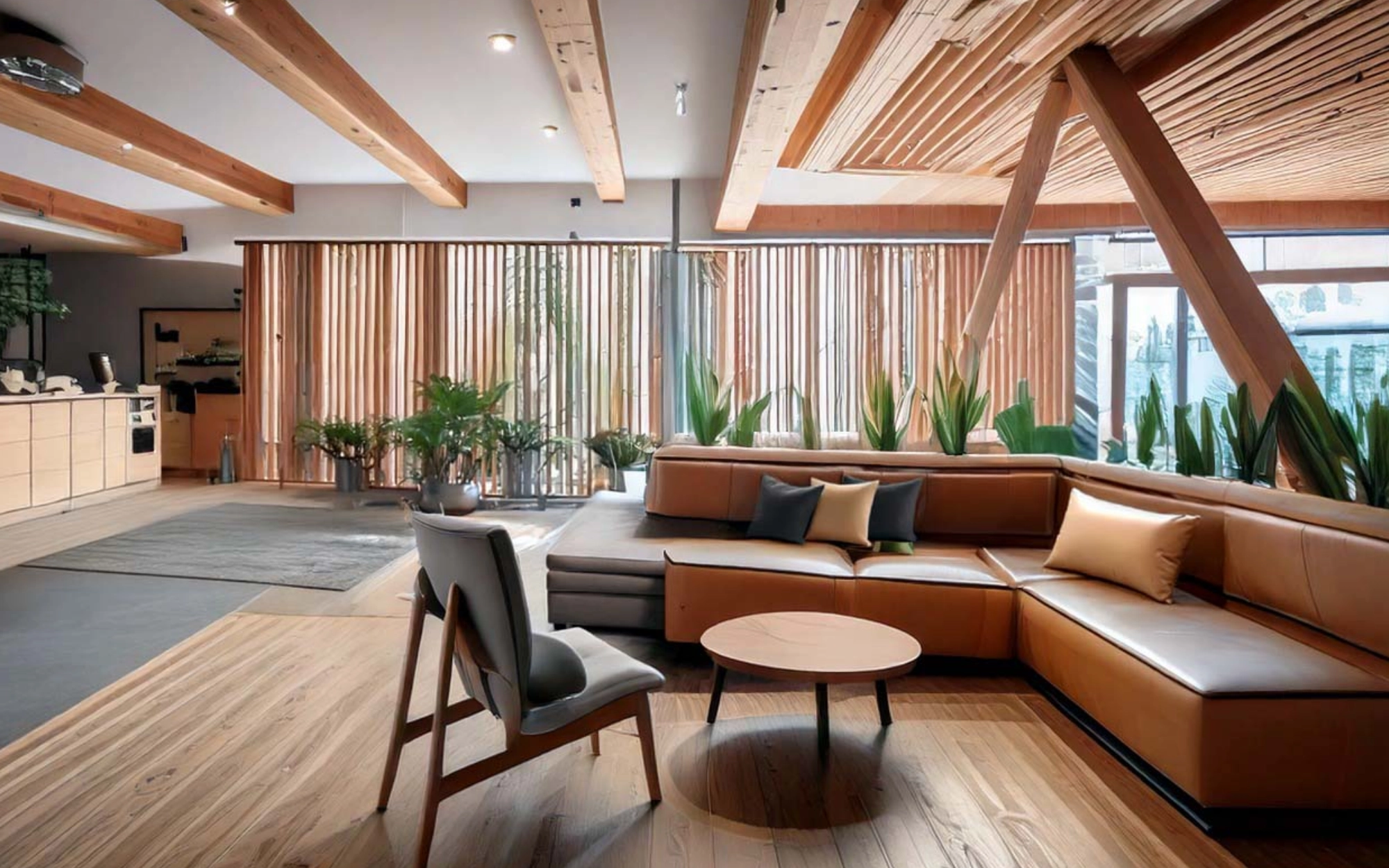
The design palette leans into neutral tones – sand, charcoal, soft whites, and occasional muted greens. Materials are tactile and honest: light-toned woods like oak and beech; rattan, linen, ceramic, and stone.
Japandi Furniture is low-slung, hand-crafted, and purposeful. Decorative clutter is eliminated in favor of a few carefully chosen objects – often artisanal, imperfect, and meaningful.
Lighting plays a critical role – layered, diffused, and natural when possible. Spaces are segmented without hard barriers, allowing for fluidity and quiet contemplation.
Now that, we have had an overview of what the Japandi style is all about, let’s understand the different schools of thought that make up the Japandi design philosophy.
Schools of Thought: The Japandi Philosophy
Japandi interior design is grounded in deeply rooted design philosophies from both cultures that go far beyond aesthetic considerations.
From Japan, the concept of Wabi-Sabi embraces the imperfect, the transient, and the weathered. It finds beauty in asymmetry, aged materials, and the quiet dignity of organic decline. This adds depth to workspaces that often chase uniformity, allowing patina and imperfection to enrich rather than distract.
The idea of Ma – the space between objects, the silence between notes – is another foundational Japanese philosophy. In Japandi design, Ma creates an intentional breathing room. It allows users to engage with the environment without overwhelming, enhancing spatial clarity and mental calm.
From the Scandinavian side, Hygge brings warmth, softness, and a human touch. It’s the feeling of comfort and ease in everyday environments – achieved through layered textures, soft lighting, and tactile materials. While Wabi-Sabi introduces a poetic melancholy, Hygge brings warmth and emotional uplift.
There is also an undercurrent of Lagom, a Swedish ideal that implies “just enough.” In Japandi, this translates into restraint – not too much, not too little – whether in furniture choices or color palettes.
Together, these schools of thought form the soul of Japandi. They are not simply design references but cultural philosophies that influence how workspaces feel, function, and evolve with time.
Implementing Japandi in the Next-Gen Workplace
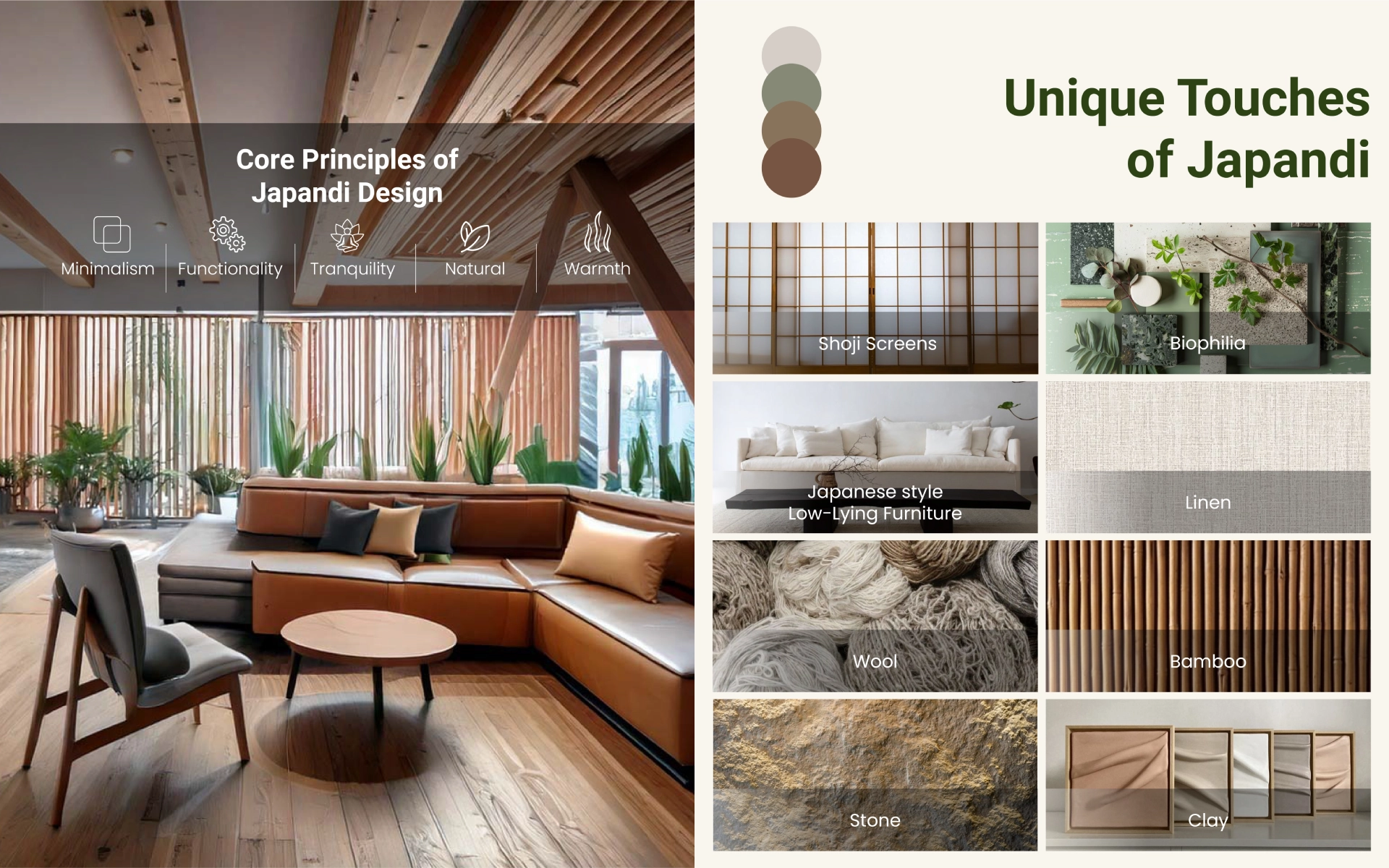
Bringing Japandi into the contemporary office is a deliberate design choice – one that aligns with emerging work models and evolving user expectations.
1. Start with zoning
Define open collaborative areas and private focus zones through tonal variation and changes in texture, not hard partitions. Use modular furniture that blends Scandinavian clarity with Japanese craftsmanship – pieces that can transition from communal to individual use.
2. Opt for sustainable materials and natural finishes.
Local woods, breathable textiles, and lime-washed walls add sensory depth.
3. Incorporate biophilic touches
Moss walls, indoor plants, and courtyards mirror nature’s quiet complexity.
4. Curate the sensory experience
Acoustic softness, a muted color story, and subtle scent diffusers round out the environment.
5. Design for longevity
Invest in emotionally durable materials and a spatial logic that will evolve gracefully with change.
The 2026 Perspective: How Japandi Has Evolved
When this piece was first published in April 2025, Japandi was gaining ground in Southeast Asia’s premium workplace tier as an aesthetic proposition. Twelve months on, something has shifted: Japandi is no longer being specified primarily for how it looks. It is being specified for what it does.
The conversation among GCC workplace decision-makers, particularly across Bengaluru, Singapore, and Taipei — has moved from “we want a Japandi feel” to “we want the cognitive and retention outcomes that Japandi inspired design principled environments deliver.” Leading workplace design and build firms operating across Asia are seeing this shift play out in briefs: sustainability, circularity, and measurable wellbeing are now primary drivers alongside aesthetic direction. Japandi answers all three simultaneously.
Japandi’s preference for durable natural materials and its rejection of trend-chasing make it structurally compatible with circular workplace design, one of the fastest-growing specification priorities across Asia Pacific in 2026. Specifying for a 10-year lifecycle is not a constraint in Japandi design. It is the intention. For GCC occupiers with ESG reporting obligations, this alignment is increasingly decisive.
Across workplace design in Singapore, Taiwan, and India’s major commercial centers, the 2026 specification landscape reflects a consistent set of priorities: material authenticity, acoustic resolution, adaptive flexibility, and long-term asset quality. These are Japandi’s native values, which is precisely why it is moving from aspirational reference to standard specification among the region’s most sophisticated GCC and technology sector occupiers.
All in All
As workplace paradigms shift from rigid routines to fluid, hybrid models, aesthetics are expected to do more: reduce stress, enhance focus, and reflect values. Japandi provides a design response that’s quiet, rooted, and future-facing.
Southeast Asia, with its growing economies, design maturity, and cultural openness, is embracing this aesthetic with both curiosity and intention.
Curate Your Own Japandi Workspace
Organizations across Southeast Asia are seeking new ways to build emotionally intelligent workspaces. Japandi offers a tactile, human, and future-forward design response.
Similar Reads:
Trending 04 Influential Styles Shaping Workplace Design in Singapore
04 Emerging Office Design Trends in India and Southeast Asia